Wooden Stair Case Build Durban

Wooden stair builder

Click to enlarge

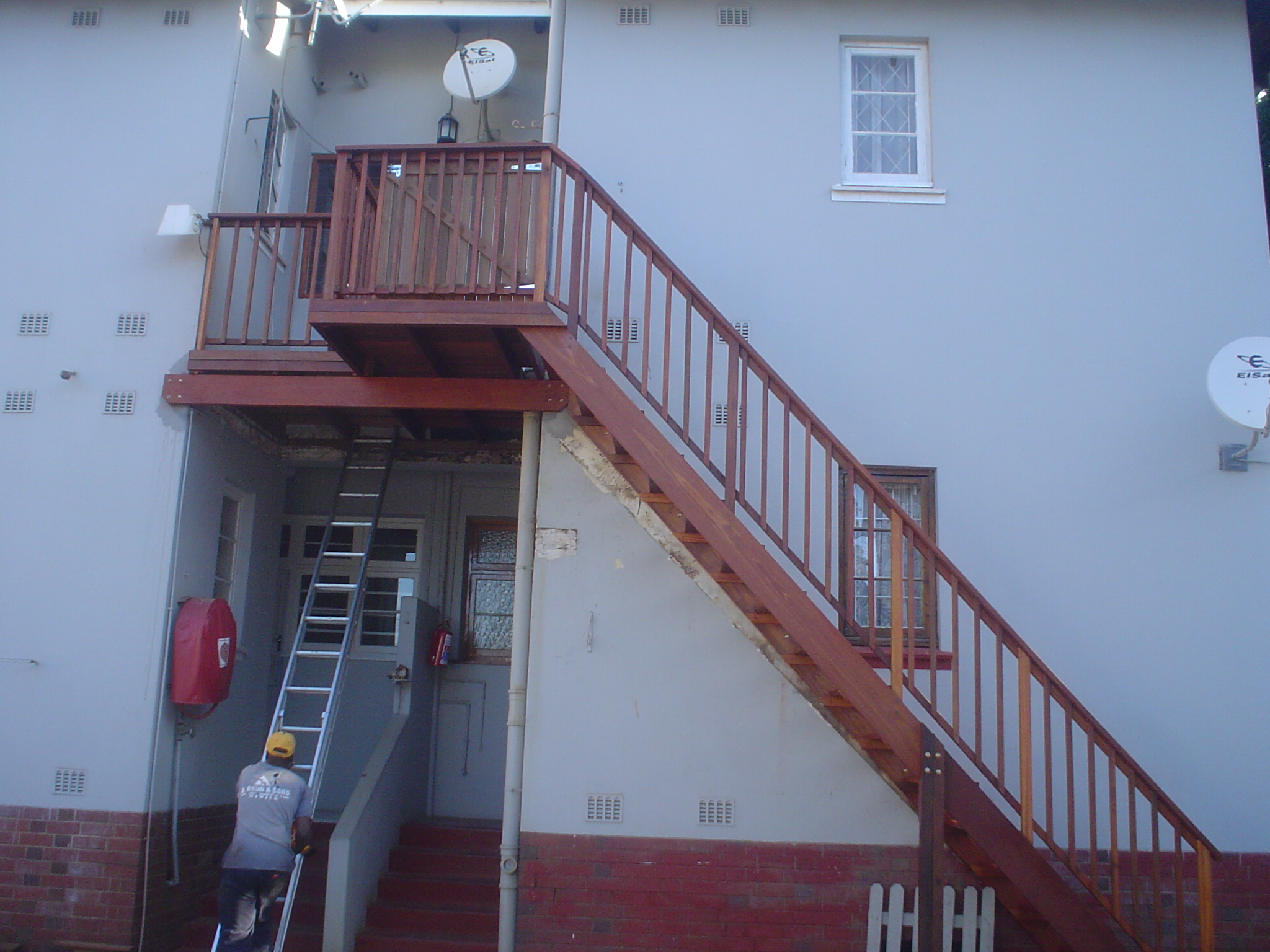
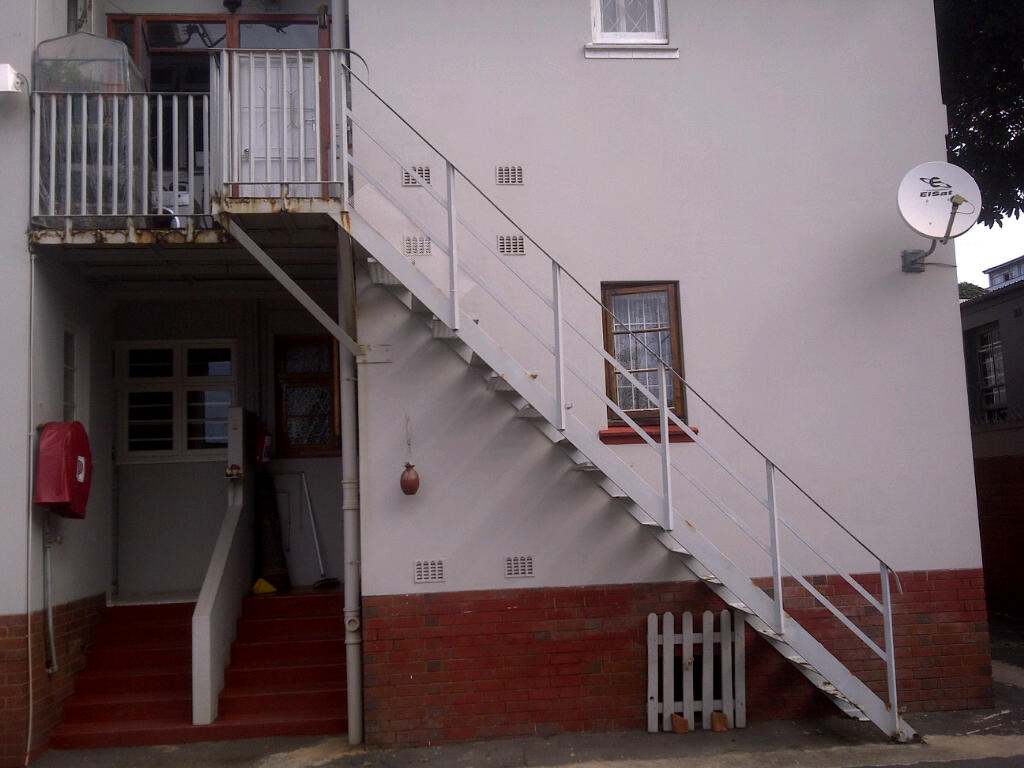
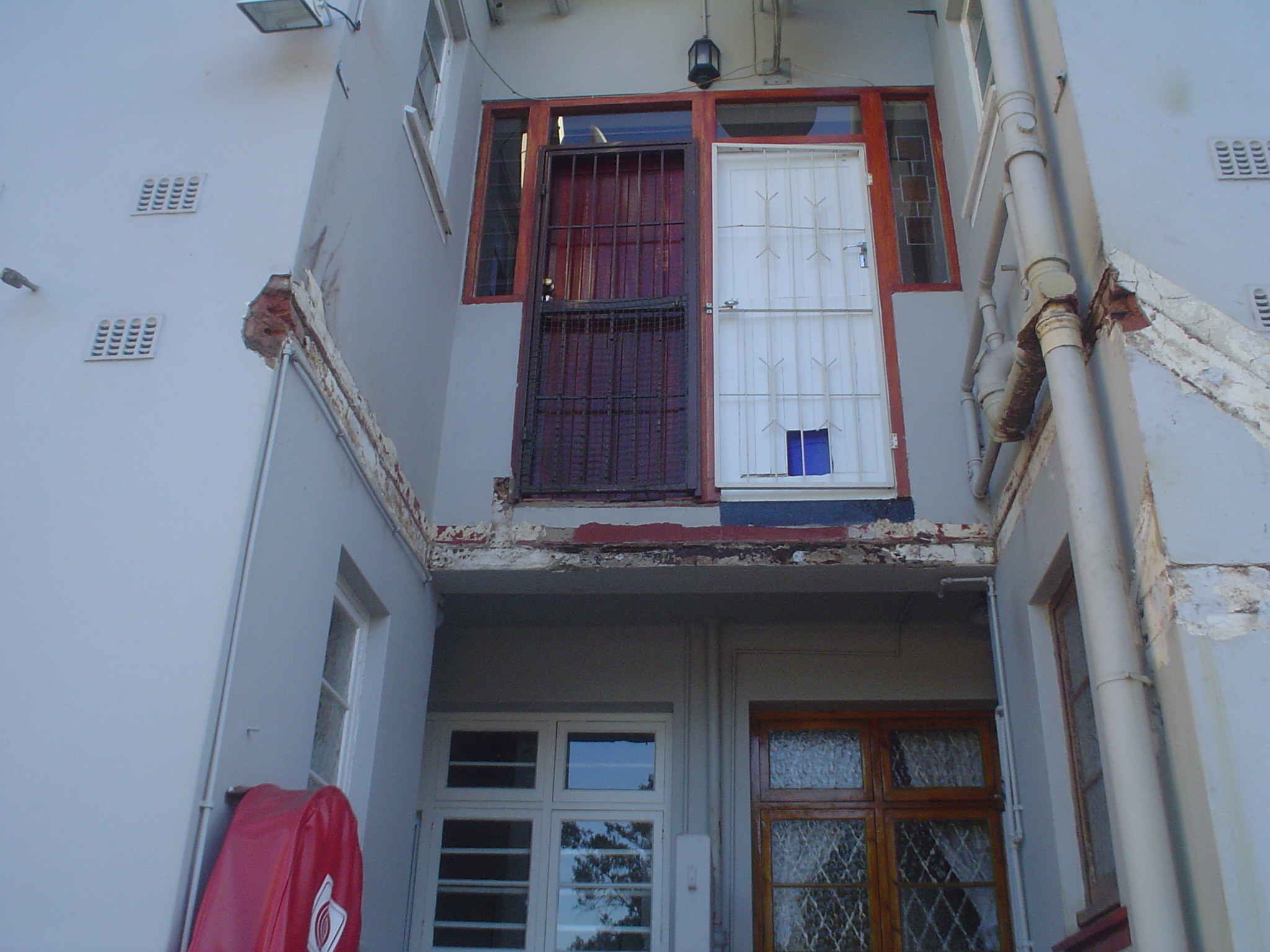
This wooden stair case build by The Wood Joint in Durban was a tricky one. The client was a committee member on the body corporate for a small block of flats in Durban. There were about 4 units in the block and the existing steel fire escape had rusted to a point where it was unsafe. So first we had to remove the steel structure. With a little help from my friends, we came in and chemical anchored stainless eyes into the wall on both sides above the steel platform you see in the pics. From there we rigged up some climbing equipment to be safe and started cutting sections out of the steel structure and lowering them slowly to the ground. We had to cut small sections as the steel was 10mm thick and we didn’t want to damage the walls, windows or doors on the way down. We managed to get most of it down in one day with a small piece remaining for day two. We battled slightly in getting the main support off as the sewage pipes had been installed after the steel so we had to cut the steel out around the pipes so as not to damage the pipes. In removing it we inadvertently damaged a corner of the wall as the rawl bolts there were quite large, rusted and pretty much part of the building by now. We patched that using structural grout which was hard and strong enough to support our main beam to.
Wooden stair builder

Click to enlarge

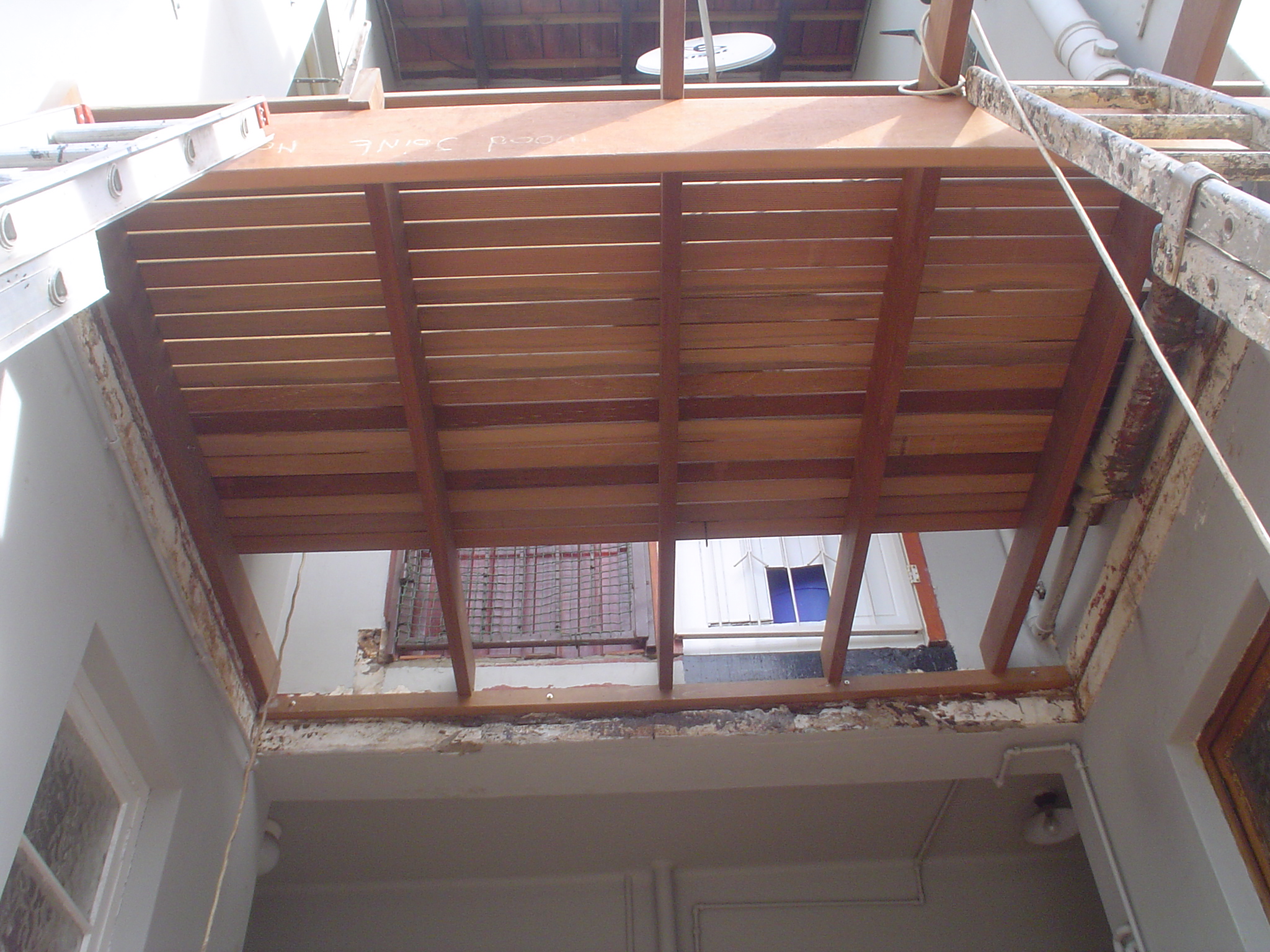
With the steel gone, we set out to build a wooden stair case and landing that could act as a fire escape. The small landing part was easier enough and we canter levered it so as to keep our posts out of the way below for parking. In these smaller blocks of flats in Durban space is very limited so posts need to be kept well out the way of parking space. Because we were canter levering it we needed to use 30 x 140 joists of balau rather than our normal 30 x 102 joists.

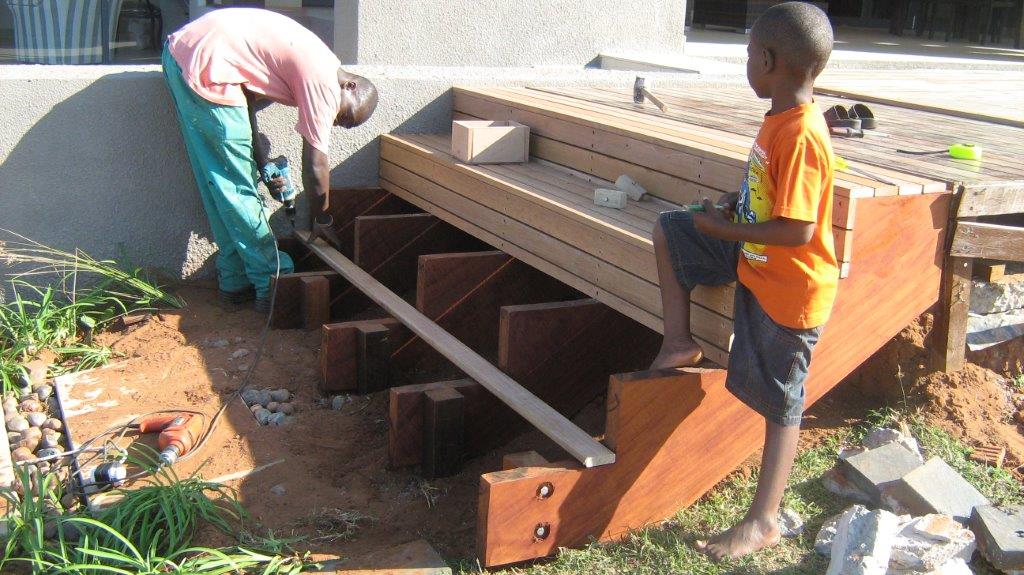
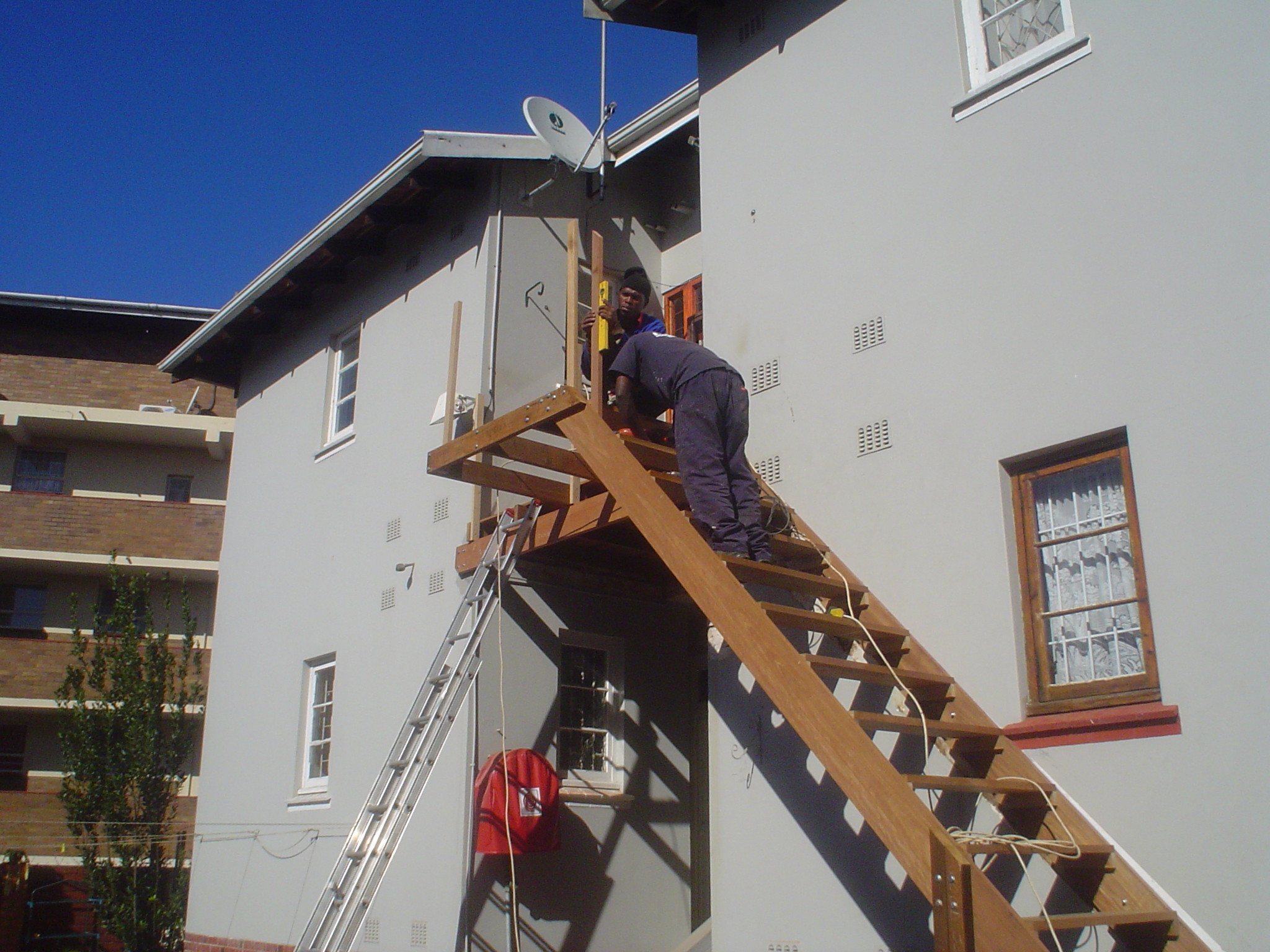
The stringers for the stairs were also tricky as we had to follow the original line of the stringers because there was a window beneath that we couldn’t cover and we could only protrude to the end of the wall without obstructing the driveway. This resulted in our stringers being placed at 45 degrees which resulted in our risers being of equal length to our runs or treads. It is not ideal as it makes the stairs very steep but we had no option due to space and height. We were a total of about 4m in the air to the landing.

The treads went on alright, the balustrade too and we had to join the stringer on the outside with two independent posts to ground to support it as the timber we could get wasn’t long enough to run the full length of the stringer.
Wooden stair builder

Click to enlarge

We went back there a year or two later as one of the treads had popped a screw. Sometimes the timber moves more than one wants it to and breaks the screw off. We do however put additional back up screws in each piece we secure so they are safe in the event that one screw does break.

For a free no obligations quote on wooden stairs or any other outdoor timber construction please complete the form below or you can call us on 082 496 5444.
Wooden stair builder

Click to enlarge

Wooden stair builder

Click to enlarge

← Back

Thank you for your response. ✨

Wooden Sundeck, Toti, Durban

Wooden Sundeck Installer Durban

Click to enlarge

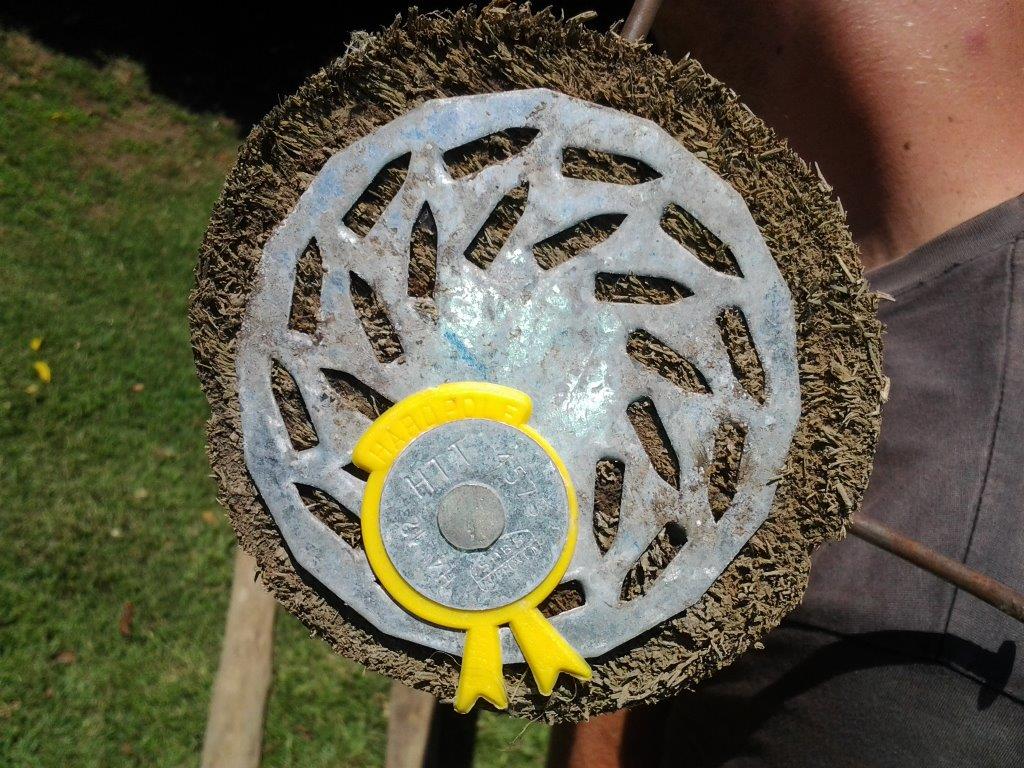
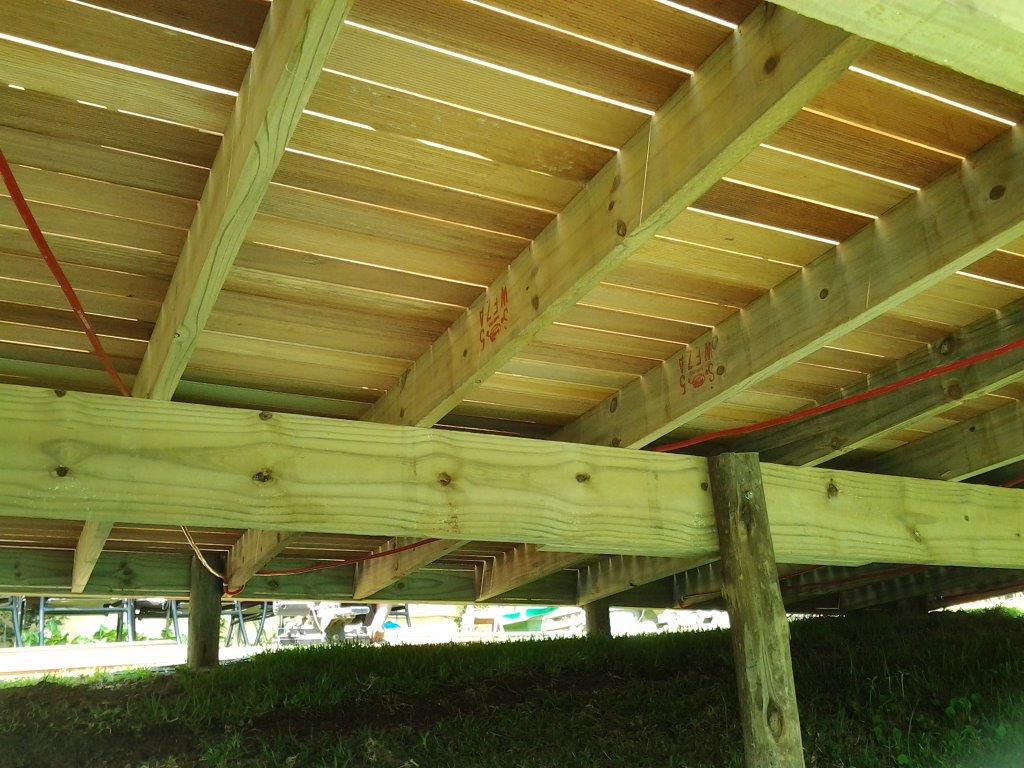
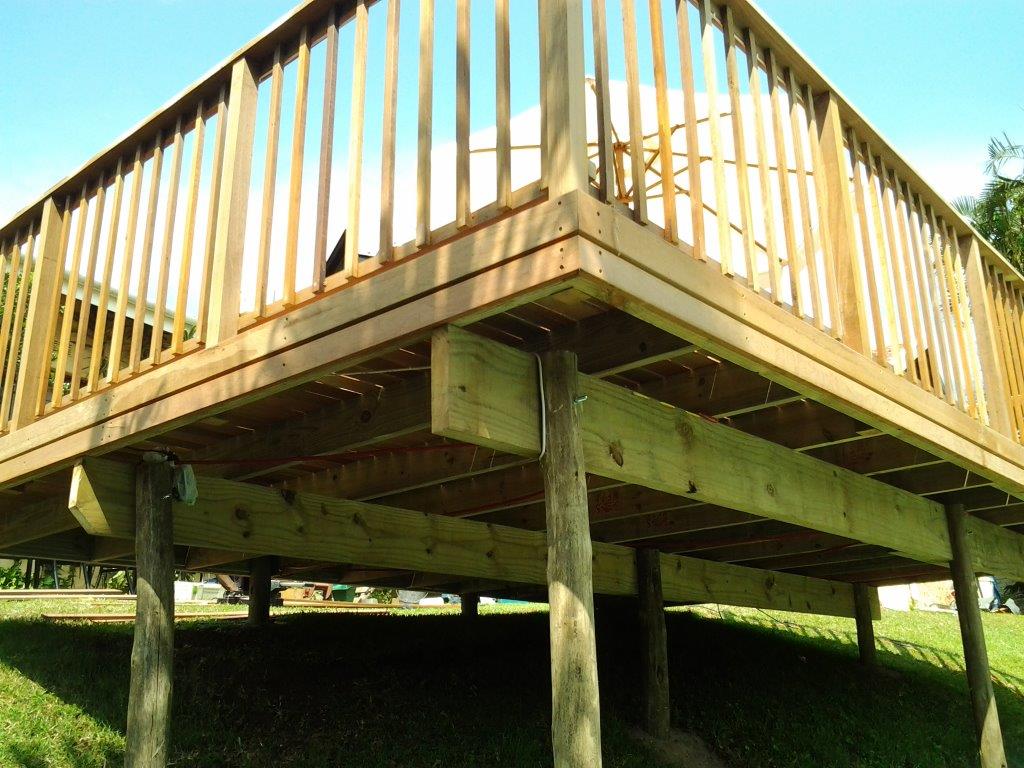
We built this wooden sundeck in Toti using CCA Pine, for the first time, as our substructure and decked it using balau deckboards. For a long time I have been using only balau as a substructure. But after some careful investigation I have accepted that a CCA treated pine substructure is as good if not better than a balau one.

The manufacturers of the solution that is used to pressure treat the timber guarantee their product for between 30 to 50 years depending on which manufacturer you use. Provided the company doing the pressure treatment treats it correctly and provided the correct Hazard Level (H level) is used in the correct application, the timber will be guaranteed against rot and insect infestation by the manufacturer of the solution. I will write another more detailed article on CCA pressure treatments, but for the purpose of this article you will need to know what it broadly means.

Wooden Sundeck Installer Durban

Click to enlarge

H2 CCA Treated pine is good for roof trusses where it is not exposed to the elements such as rain. H3 treated is good for outdoors such as decks and H4 is good for in the ground or in contact with wet soil. H5 is good for in salty water and is normally a combination of CCA and creosote treatment. H2 is commonly sold off the shelf at most timber yards. H3 and H4 is more specialised so one needs to find a supplier who is regularly treating to H3 or H4. Under no circumstances should H2 be used as a substitute. It will rot within a few years. Simple. Do not use it in decks, keep it for the roof.

Wooden Sundeck Installer Durban

Click to enlarge

In order to activate a guarantee against the manufacturer one would need to take photos of the deck going up ensuring that the correct H level is used, an audit process would need to be completed on the company treating the timber and the build would probably need to be registered with the manufacturer and possibly inspections conducted during the build. So although it is possible to activate a guarantee, it is not really practical as the substructure will go up in 2 days and the deck will be done in 5 days. However, if the manufacturer is willing to offer this sort of guarantee, then we can safely assume that the timber we are using will hold up to its promise. In a nutshell, H3 or H4 treated CCA Pine is suitable for a substructure for a deck and may very well outlast a balau substructure. I would not be too keen to use it as deckboards for two reasons. Although it won’t rot or get eaten by ants, it will expand and contract a lot more than balau which will result in checking, cracking, warping, bowing etc. over time. The second reason is that because it is half as dense, one needs to use a 32mm thick deckboard as opposed to a 19mm deckboard in balau. So twice as much timber is used and the cost is actually slightly more in pine per square metre than balau. So why not use balau in the surface? It is much better looking and much more stable (i.e. it remains flat for many more years).

Wooden Sundeck Installer Durban

Click to enlarge

The cost saving in using CCA pine vs. balau in the substructure is great and this allows me to keep my prices low whilst still providing a quality product. The CCA Pine will last as long if not longer than the balau substructure if the correct H grade of CCA pine is used.

All areas that have pine exposed are clad with deckboards so that the pine is not visible. Balustrades remain full balau.

For a no obligation quote on wooden decks, balustrades, pergolas and any other outdoor timber construction, please complete the form below and I will get back to you.  Or you can call us on 082 496 5444.

← Back

Thank you for your response. ✨

Wooden Sundeck Installed – Oriel Place, Bluff, Durban

Wooden sundeck Durban

Click to enlarge

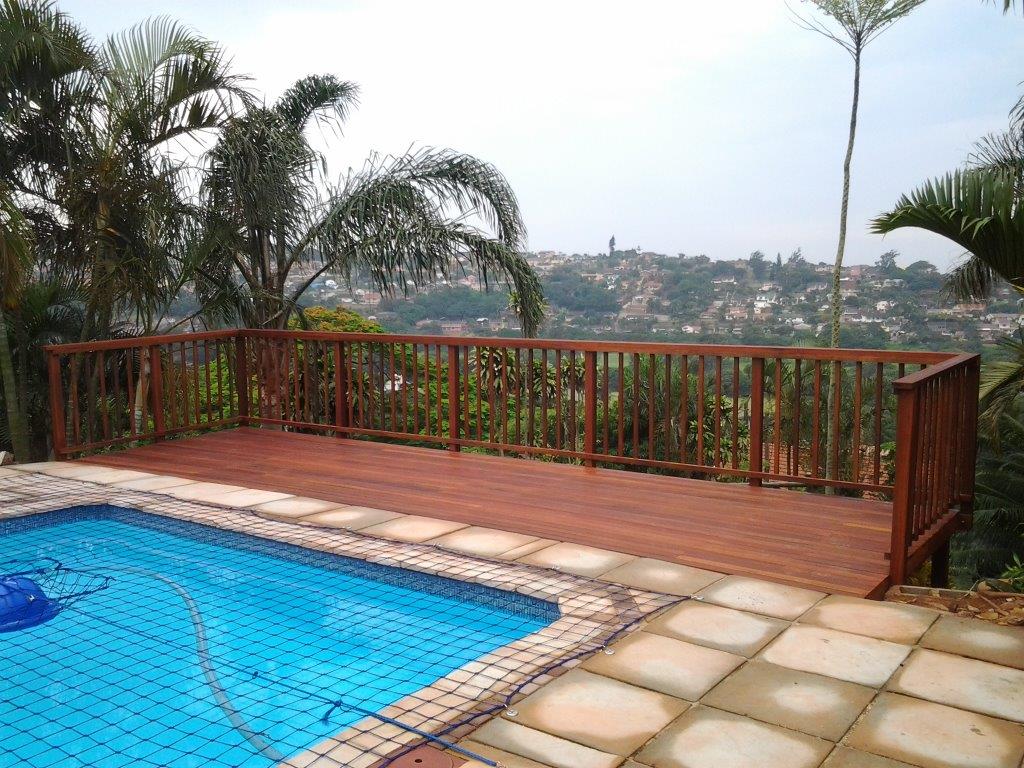
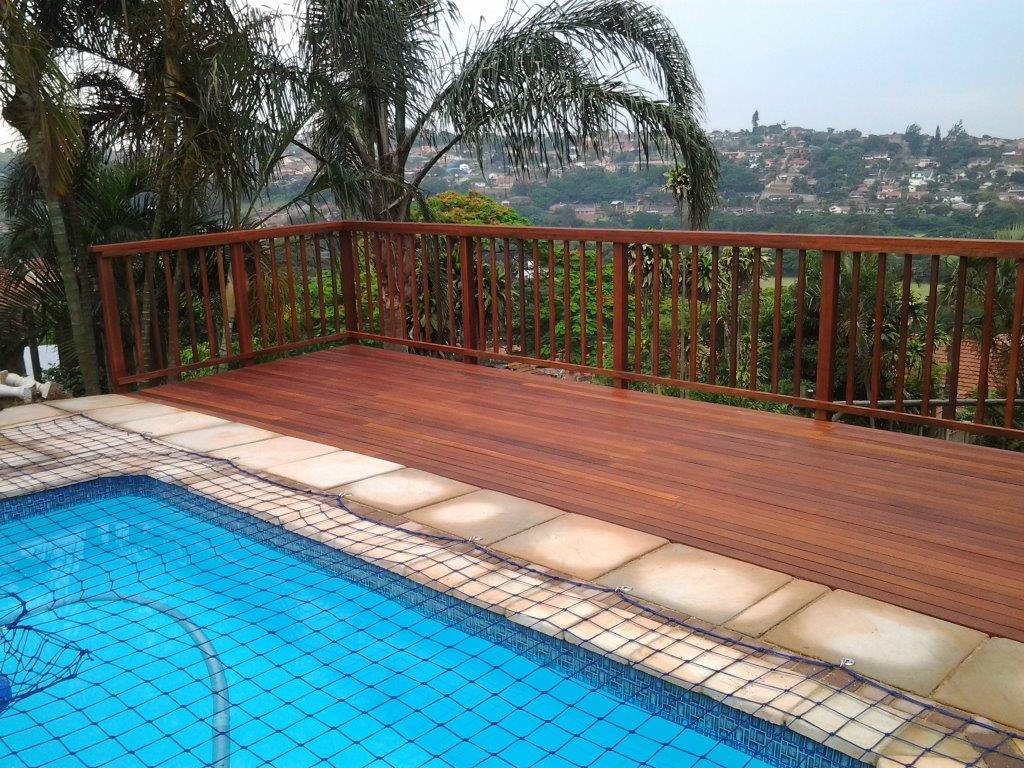
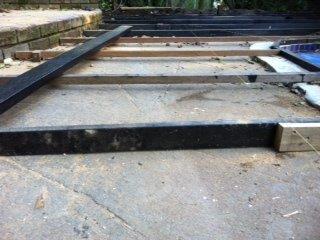
This sundeck we installed in Durban was a relatively simple one to build. The client wanted to extend the area around the pool to create more space. It was a simple cleat, beam and joist system with a fascia beam on the front to attach the balustrade uprights to. There was one challenge in that the retaining wall that runs below the paving next to the pool was not parallel to the paving and as such not parallel to the edge of the deck. A bit of fancy timber work was required with supports, small posts and sleeve anchors which created a substructure that became parallel to the pool, paving and resulted in the sundeck being parallel too.

Many of the properties in the Bluff are on situated on steep slopes and decking allows the home owner to reclaim a lot land that would not have been utilised. Terracing the garden is one option and decking over those can add extra space to one’s garden and therefore value to one’s property. I’m not sure if you have noticed, but a garden that has even a few stairs tends not be used as much as a garden that flows on the same level. It is important therefore to design the deck in such a way that you try to keep it all to one plane or the same level. This will result in more of the garden being used. If stairs are necessary one should consider staggering it over a longer length rather than 1m wide stairs.

Wooden sundeck Durban

Click to enlarge

On this build posts had to be set again in the cavities of the loffelstein retaining wall. It was a relatively small deck and only took a few days to complete. I am sure the owners are now enjoying it through the last two summers and it has created a lot more space that they can now use in their garden.

It was sealed using a Timberlife Satin Wood Base 28 sealer with a mahogany tint. This sealer soaks into the timber rather than leaving a varnish type finish on the surface. There are two types of this sealer, one for woods of high porosity (pine) and one of timbers of low porosity (balau). Be careful to select the correct one. It is relatively low in wax content compared to their other products which is better for the horizontal surfaces that tend to get hammered by the hot African sun. The higher wax content sealers are good for vertical surfaces such as balustrades, screens, cladding etc. It is very easy to apply as it is very viscous and because it doesn’t dry on the surface, brush marks and runs are impossible to achieve. It simply soaks in. 2 to 3 coats are recommended and in the first year of the decks life it will be necessary to reseal it every 3 to 4 months. As time goes by the maintenance intervals will become longer as the timber is continually being nourished with this sealer.

It is inexpensive and is easy to use so re-sealing every 3 or 4 months in the first year is also inexpensive. There is no need to sand the deck before each application. Simply clean it, high pressures clean it if you wish, and re-seal. I will go into more detail in another article on sealing decks and maintaining them as it is a subject that warrants its own platform. Since writing this I have written and article on deck sealing which can be found here.

For a free no obligation quote or to discuss the design of your deck, please complete the form below and we will contact you.  Or you can call us on 082 496 5444.

← Back

Thank you for your response. ✨

Pool Deck Built in Northdene, Durban

Pool Deck Builder Durban

Click to enlarge

This pool deck we built in Northdene was in excess of 100 square metres. Pool decks can be quite difficult to measure as the pool is sometimes not square and the area to be covered is often an irregular shape. Care should be taken to measure it properly to avoid an underestimate of area for both the client and the contractor. No one, the client nor the contractor, wants to realise half way through the job that it has been grossly under, or over, quoted.

There were two levels on this deck. An area of about 1m running around the pool was in concrete while the rest of the deck was to be laid on soil. Also there was an area towards the steps where the existing concrete sloped upwards in an effort to get rain water to run towards the pool instead of collecting near the wall. This area ran almost up to pool level, so in order to get the deck level at the height we wanted we had to cut our baton at a wedge shape.

We placed posts in concrete throughout the soil area and where we got to the concrete plinth around the pool we switch to a 30mm baton. In total we decked about 100m². It took time to lay these joists and make sure that the tops were all flat and level. Deckboards also took time as we laid them down without a single joint line.

Pool deck builder Durban

Click to enlarge

Where a deckboard ends and new one starts, creates of course a join in the surface. What one needs to do is sort of finger the deckboards so that the join is alternated on each adjoining deckboard. This is not only more pleasing to the eye but also prevents lifting in one single line. If a deckboard is going to lift it will almost always lift on the join. If all those joins are in a straight line then it will lift along the entire line. If they have been staggered then it won’t be as noticeable or as serious. So they took longer to deck but are done the correct way.

We built a small hut around the pool pump and heater that came off an adjoining wall. The hut had its own doors and roof and finished it off neatly to cover the pump and filter.

Around the edge that was exposed to the pool water we planned some deckboards to 10mm thick which allowed us to bend them around the curve of the pool. This fascia will protect the deckboards from excessive water from the pool and will ensure they last longer. Wood has a tendency to take in water from the end grain. Picture it as a bunch of straws held together. The water will travel up the end grain and this is where rot will start. Wood takes in very little water from side or face grain and it is therefore imperative to seal the ends off properly. When timber is purchased one will always find that the ends have been sealed using a wax substance. This is done in order to prevent the wood taking in water during transport, often by ship. Once it gets to site, it is cross-cut and this seal is lost. It is important therefore to apply plenty of sealer to this end grain.

Pool deck builder Durban

Click to enlarge

For a free no obligation quote please complete the form below and we will contact you.  or you can call us on 082 496 5444.

← Back

Thank you for your response. ✨

Timber Stairs Built Hawaan Forest Estate, Durban

Timber stairs Durban

Click to enlarge

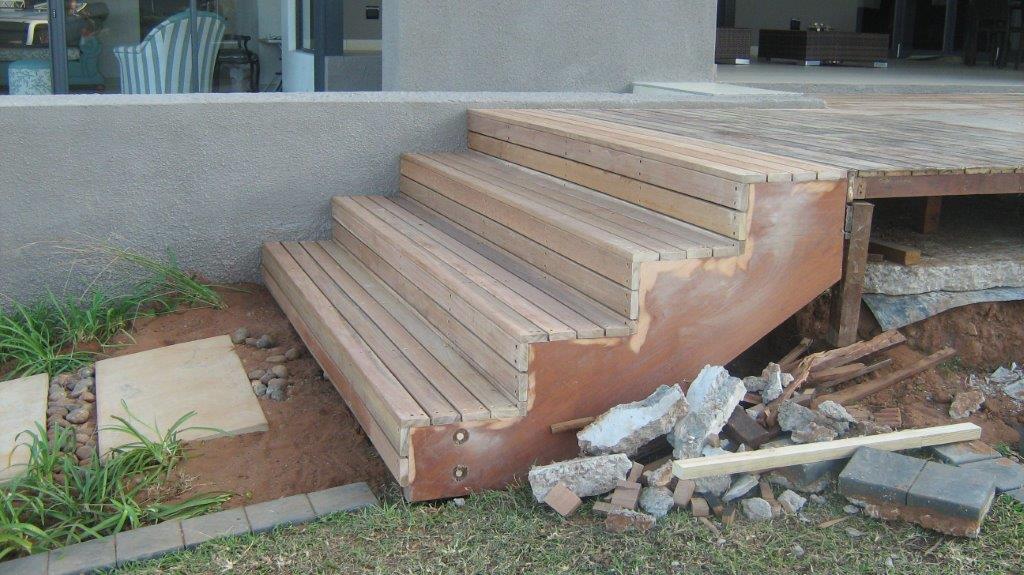
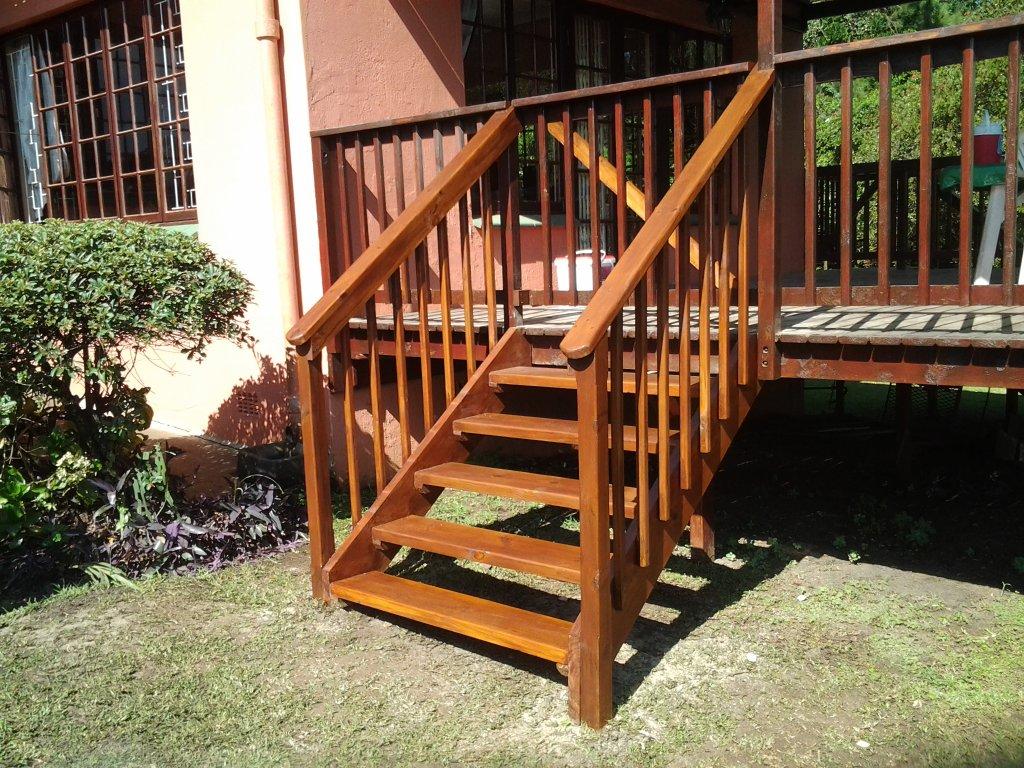
These timber stairs I built-in Durban were the first stairs I built. This was towards the beginning of my deck building career and I had no idea really what to do. I had been involved in carpentry for a fair while so I had an understanding of timber, how it behaves and how to construct and manufacture items, but I had no idea of what needed to be done to build stairs both effectively and affordably. I resorted to Google and surprisingly, or not, I found hundreds of videos on how to make stairs. Mostly American videos so a few adaptions to our local conditions and I had a good idea of what was required.

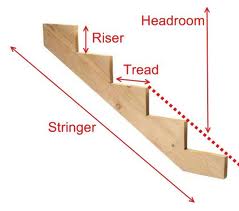
I used the more conventional, more expensive method of building stairs. I took three pieces of 50 x 220 stock and cut my treads and risers out of the timber (see the diagram attached). This is done by first calculating the riser and tread based on the height of the deck that you need to reach with the stairs. Although an optimal height of each riser is about 190mm and the tread about 280mm, it will vary depending on the vertical height so as to keep each riser and tread the same height and length.

Timber stairs Durban

Click to enlarge

Once these two measurements have been calculated, one uses a large steel square to draw the risers and treads on the stock. The square is simply placed on the stock and the two points are marked off on each end of the square resulting in a right angle where the tread meets the riser. The trick was cutting through the 50mm wood with a hand-held skill saw. My skill saw has a small blade so it kept jamming and burning the wood. In hindsight I would have used 40mm stock or even less as the strength of the timber exists in the width, not the thickness. So a 30 or 40 by 220 would have been much more affordable and much easier to work with. Nevertheless, we persevered and eventually had 3 lovely stringers cut and ready for installation.

From there it was a matter of placing the stringers in place with the tread level and securing them in place with posts concreted into the ground. The inner most stringer was secure directly to the wall using sleeve anchors and this became our starting point from which we set the others, level to that and to ground. With all our stringers in place we decked the surface using 19 x 68 deckboards. We added a bit of substructure to the sides to accept our cladding, clad it and sealed it using a Nova product. Nova produces some top quality timber preservatives, but be careful not to mix them up with the varnishes. Varnish is a no go on any deck as it will peel and flake as the sun breaks it down. To get it off afterwards is near impossible and varnishing over it again results in a blotchy effect. One can’t use anything other than varnish once it has been varnished so stay away from varnish or anything that dries on the surface, with the exception of water based sealers. An article on sealing decks can be found here.

You can find a large reference base on Wikipedia about stairs here.

For a free no obligation quote please complete the form below and we will contact you.  Or you can call us on 082 496 5444.

← Back

Thank you for your response. ✨

Timber Stairs Built in Hillcrest – February 2013

Timber stairs Durban

Click to enlarge

As a deck builder and timber stair builder in Durban I have had to learn how to build timber stairs the hard way, through trial and error (and a bit of Googling).  Timber stairs have always been a tricky one for me and I have battled to build them in the past. At first I Google’d ‘building timber’ stairs and found a few videos on the topic which explained it quite nicely. Most of the videos online though are American and they therefore explain it in inches. But after converting it the technique and calculation used to work out your runs and risers becomes quite clear.

The riser is the vertical piece of the step and the run (or tread) is the horizontal piece. Building regulations in South Africa state that the riser can be no more than 200mm high and the tread or run can be no shorter than 250mm. Timber, either in pine or balau, will come standard at either 140mm wide or 220 wide. One should therefore use two pieces of 140 wide stock in order to get a tread of 280mm wide. I have seen stairs built using 220 wide stock which although is not completely according to building regulations can work if a gap is left between the front of the top tread and the back of the tread below that. The gap should be at least 30mm to get back to your minimum of a 250mm wide tread, although building regulations state that this gap should be no bigger than 20mm. Because the stairs are open, one can normally get away with this as your foot will be able to move past the back-end of the tread as you climb the stairs. Be sure to check with building regulations before designing your stairs to ensure you are compliant or that your contractor is adhering to these regulations.

Timber stair builder

Click to enlarge

First you need to calculate the exact height of your riser and the exact width of your tread. I will use 1,1m as the height of the stairs for the example below.

Assuming a riser of about 200mm or less divide 1, 100mm by 200mm. You get 5.5 risers. Increase this to 6 risers because if you take it back to 5 risers you riser will be more than 200mm.

So 6 risers and therefore 5 treads. The top tread of course being the deck itself.

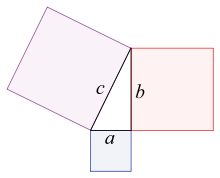
1, 100mm divided by 6 risers give you an exact riser height of 183.3mm. 5 treads of 280mm each will result in a total floor length of 1, 4m. From this you can work out the length of the stringer. a²+ b² = c². Remember him? Yeah!!! The stringer by the way is the piece that runs down diagonally from the deck to the floor and to which the treads are attached.

Now lay the stringer flat on the ground, starting your markings a comfortable distance from the end to allow for cutting to the correct angle and possibly notching the end to accommodate any lip that may exist on the deck. Deckboards can either be set flush with the joist or they can hang slightly over which will dictate whether or not the stringer needs to be notched so that it can be fastened to the joist or beam.

Timber stairs Durban

Click to enlarge

With the stringer flat on the ground, take a large square with markings on both sides (the big black square) and slide it along the one side of the stringer so that you reach the 183.3mm mark on one side and the 280mm mark on the other side. Of course you would round this to the nearest millimetre. One can buy little clamps that clamp to the sides of the square to make this job easier. In fact sophisticated stair stringer squares can be bought but the big black square works just as well. With your riser height and tread width marked on the stringer you can now draw a line around the square at the corner. This is where your riser and tread will be. Move the square down to the end of the marks and repeat to mark the next one. Continue until the end of the stringer. Cut the top end of your stringer off parallel to the riser at the correct distance to attach to the joist. The bottom of the stringer will be cut, either parallel to the riser or tread depending on whether you want a vertical or horizontal end which will either attach to the concrete ground (horizontal) or be set into the soil using a post and concrete (horizontal or vertical).

If you have as much difficulty understanding this as I did, then you are not alone. Try it and you will find it becomes second nature.
Now it’s just a matter of attaching your treads and job done. If you have a balustrade running down the sides of your stairs this can be attached now. Care should always be taken where the balustrade capping and cross supports, on the stairs, meet the same on the deck as they are running at different heights. It is better to take the balustrade up, level out whilst still on the stairs and then meet the horizontal.

Wooden Sundeck built in The Bluff Durban – Jan 2013

sundecks durban

Click to enlarge

After the last sundeck we built in Durban we were glad to have a small break. Temperatures reached about 38°C and even though we only had to sand and seal it, it was almost impossible to work in those conditions.

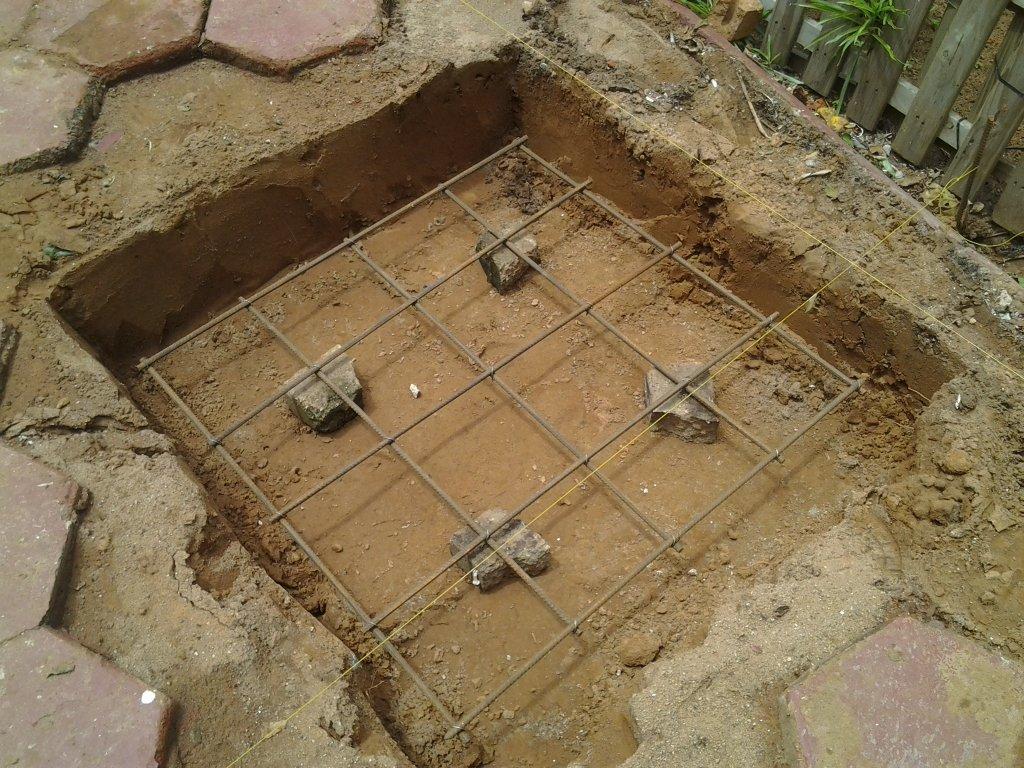
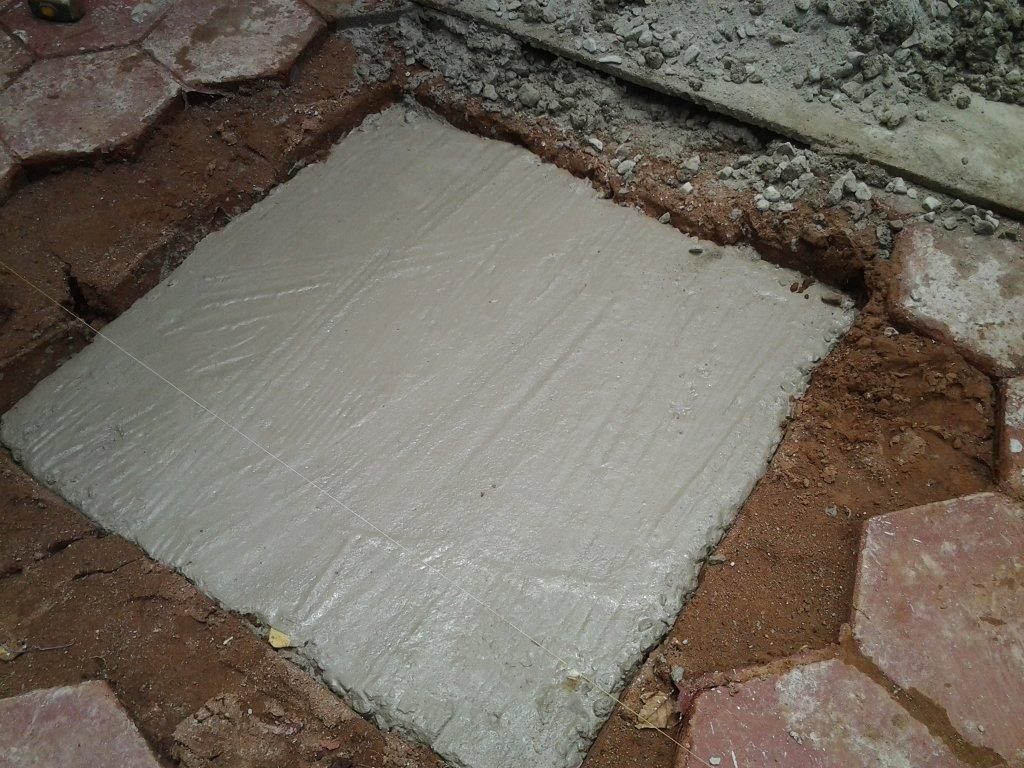
This next sundeck in Durban measured about 5.7m wide along the front of the house by 4m deep. It was on the first floor at a height of 3.2m above ground level. Due to the size we had to support it using 4 balau posts each of 90mm x 90mm in size and the other two ends of the beams were set in feet cut and anchored to the wall. Initially we were going to set the posts in concrete the normal 600mm deep. However the location was in the Bluff which is almost completely a sand dune. We dug to 1m deep in sand that had the same consistency as building sand, and could still stick a re-bar another metre into the ground. Instead of the normal 600 deep in concrete method we had to throw feet or pads of 1m x 1m x 200mm with re-bar set in the middle. This created a larger footprint and will prevent the posts from sinking over time. The re-bar ensures that the whole pad has to sink at the same time instead of cracking. The posts were then set on top of those with a re bar hammered into the bottom of the post and drilled into the concrete.  See the two pics alongside.

timber decks durban

Click to enlarge

The posts are set as square to the wall as possible but there is no need to set them exactly square as they will simply support the beams and any difference won’t make a material effect structurally.

This deck needed 4 posts as the length was 5.7m and it is generally quite difficult to find beams in that size that long so they had to be joined in the middle with a post to support them. We were using 30 x 102 joists which can be spanned a maximum of 1.8m between beams so two beams were required thus doubling up the number of posts.

We cut the posts to length on the ground and then connected our beams using a joiner block to create one long beam. They were half checked and the balau beams of 30 x 220 were placed and secured on the half checks. Galvanised hex bolts were used to secure the beams to the posts.

The joists went on next and were left long so that the deckboards could start from the house side and the joists cut off once we reached our desired depth. If the joists are cut to length before the deckboards go on, then it will result in a half deckboards being used to finish it on the house side. What can also happen is that the last deckboard is not only a half deckboard but also a wedged shaped one. So deckboards are always started on the house side and run to the desired depth and the joists are then cut to fit.

Timber deck installers Durban

Click to enlarge

On these types of decks I also like installing a fascia beam of the same size as the joists so as to provide support on the front of the deck as well as providing a beam that the balustrade can be attached to. Without this the balustrade would need to be attached to the main beam beneath which would mean the main beam would need to be set near the end of the deck and perfectly square to the deckboards or the balustrade will run out of parallel to the boards. With this method it is not important if the main beam is not perfectly square as it doesn’t have to line up with anything on the deck itself. It is merely there for support and the tolerance is therefore much greater.
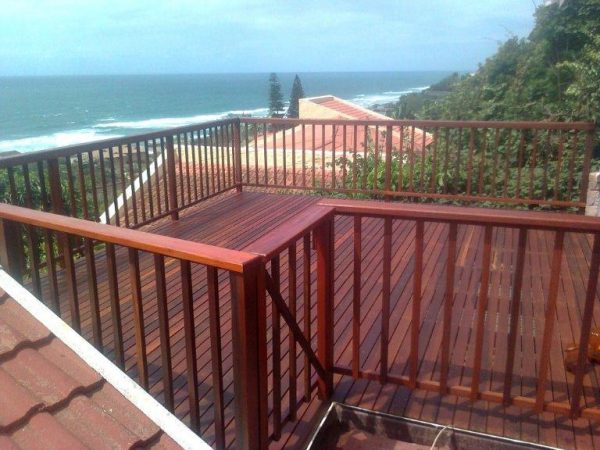
The balustrade uprights of 60 x 60 were installed prior to the deckboards so that we could deck around them by notching the boards. Once the boards were down, the cross supports on the balustrade were installed 100mm off the deck surface for the bottom one and flush with the top of the posts for the top one. This top cross support can sometimes be set 100 down from the top of the uprights, but setting it directly underneath the capping provides greater support to the capping and will prevent it from bowing over time. Pickets of 25 x 30 were then set equidistant apart between balustrade uprights, cut to length and a capping of 30 x 102 placed on top and secured.

Screw holes were epoxied closed with a saw dust mixture to match the colour, sanded and sealed.

Wooden Sundeck Built in Forest Hills Durban

sundecks Durban

Click to enlarge

This sundeck we built in Forest Hills Durban was an add-on to a deck we completed in 2012. The client initially built a 20 odd square metre deck off the front of his grant flat. It was then decided to extend the deck around the corner to tie up with the kitchen door.
We needed to decide which way the deck boards should run. Traditionally they should have run the length of the deck extension, but because of the way the existing deck had been built, it would have resulted in an odd line that would have been visually unappealing. Had the extension been built at the same time as the deck then the deckboards could have met at a 45° angle to turn the corner. Instead they would need to either meet at a 90° angle or they would need to run the same way (i.e. the width of the deck rather than the length). It was decided to run them the same way as the existing deck resulting in them running the width of the deck rather than the length.

With this in mind we set out to lay the substructure which consisted of long joists of about 9.2m. The width of the deck was 1.2m so we set 2 joists and a cleat along the wall. The challenge in setting such long joists of course is to ensure that they are set straight. Our joists were each 4.5m long so had to be joined in the middle without allowing them to bend or bow at the join. It was easier to join the joists beforehand, set a false deckboard of pine to hold them at their 1.2m width and then dig our holes for posts. We used H4 CCA gum poles as posts as they would not be visible from the outside and budget did not allow for balau posts. The poles were half checked to accept the joists, secured to the joists using kalgard 60mm screws and concreted in with 6 inch nails hammered into the base to prevent the post from sinking over time. A dry mix was used so as to be able to work with the post and joist immediately after setting them.

wooden decks Durban

Click to enlarge

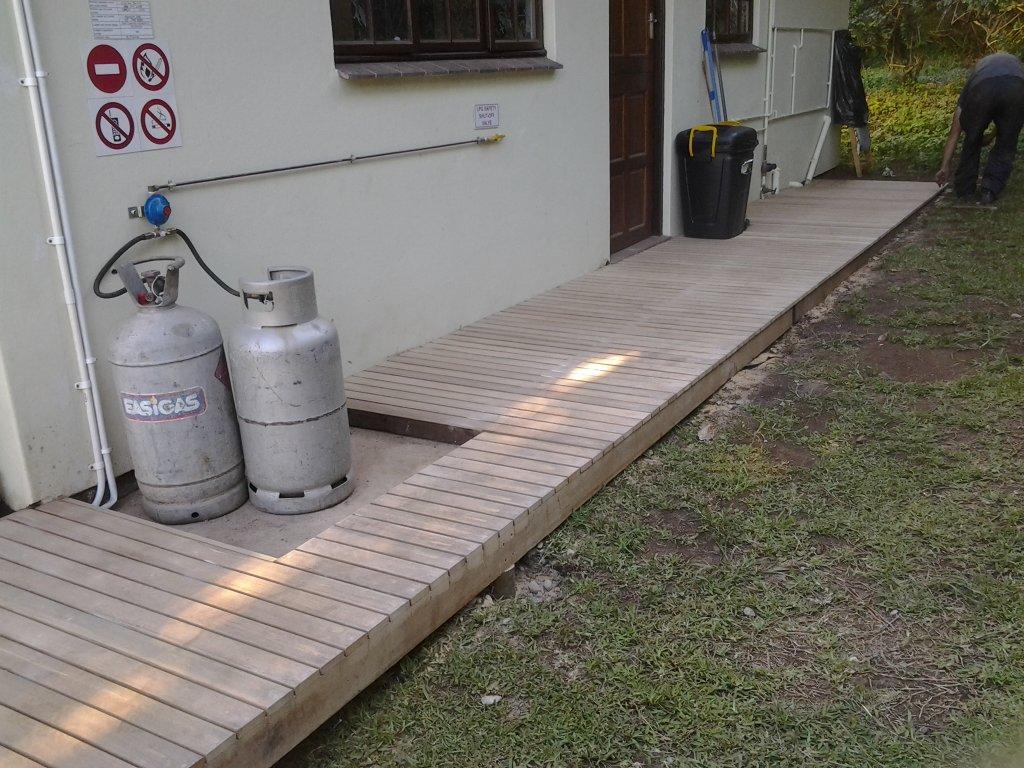
There was a concrete gas bottle plinth that was not decked and we had to deck around that and fill the vertical surfaces with balau cladding for aesthetics. Also the plinth that existed directly outside the kitchen door was slightly higher than we would have liked and as such we could not use our 30 x 102 joist and had to use a 30mm baton to arrive at the same height as the rest of our joists.
Once the substructure was down it was relatively plain sailing as our rough pre-cut balau deckboards were screwed down. We intentionally left them slightly long and after they were all down, snapped a chalk line along the edge and cut with a skill saw to get a straight line.

We cladd a few ends to close it all in, epoxied our screw holes to prevent water collecting in them and being soaked up by the end grain. Once dry we sanded flat and sealed using a top quality timber preservative with an oak tint.
A few pot plant stands were thrown in from the scrap off cuts which will now keep the pot plants off the deck and allow the water to drain away quickly and prevent accelerated degradation of the balau.

10m² took us 2 days to complete. The crew received a nice bonus based on square meterage and it was off to the next job.

For a free no obligation quote, or simply for an advice, please use the form below to contact me or you can call us on 082 496 5444.

← Back

Thank you for your response. ✨